
Facial peeling
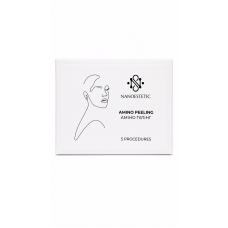
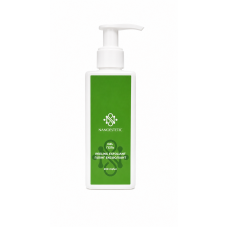
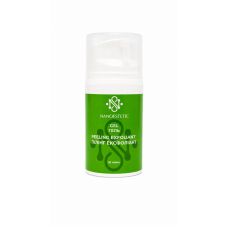
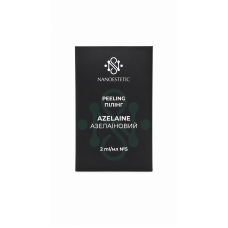
Facial peeling – the secret to beautiful and healthy-looking skin
Facial peeling is a deep-cleansing procedure that effectively removes the keratinized upper layer of the skin with the help of acids and other active ingredients. Suitable peeling products include chemical, enzymatic and antibacterial formulas that can affect the structure and functions of the skin. Professional products can be purchased from specialist beauty stores. They help improve the overall condition of the skin, support the proper functioning of pores and provide hydration.
Peeling helps make the skin feel softer, improves its texture and reduces the appearance of fine lines. Skincare involving peeling is particularly suitable for oily skin, as it can help reduce excess sebum and improve the appearance of pores. Exfoliation with a chemical or enzymatic peel stimulates epidermal cell renewal, helping to improve skin tone and reduce the visibility of pigmentation. As a result, regular use of peeling products can help keep the skin hydrated, smooth and healthy-looking while addressing various concerns related to its condition.
Peeling is a facial skincare procedure that helps improve the condition and appearance of the skin. Its action is based on removing keratinized cells from the upper layer of the skin. This process can be chemical or physical. Peeling can help reduce the appearance of fine lines, smooth uneven skin texture and leave the face looking hydrated and refreshed.
Different types of peeling vary in their effects and composition. For example, anti-ageing peels contain enzymes or acids that can stimulate collagen production and improve skin texture. A deep peel helps renew the facial skin by removing its upper layer.
Professional peels can be purchased from specialist beauty stores. They may be available as home skincare products or as procedures performed in beauty salons. Before using a peeling product, it is advisable to consult a cosmetologist or dermatologist to select a suitable type for your skin.
Peeling is a procedure in which the upper layer of the skin is exfoliated with a specially formulated product. It helps remove keratinized cells, cleanse pores, support collagen and elastin production and improve the overall appearance of the skin. The effect of a peel depends on its composition and type, so it is important to choose a product that is suitable for your skin.
The main types of peeling include chemical, enzymatic and mechanical peels. Chemical peels contain acids that effectively remove the keratinized layer of the skin and help smooth fine lines. They are particularly suitable for oily and blemish-prone skin. Enzymatic peels are gentler and may provide a hydrating effect, making them suitable for dry and sensitive skin. Mechanical peels exfoliate through physical friction and may be designed for different skin types.
When choosing a suitable peel, it is important to consider the characteristics of your skin, whether it is oily, dry, combination or sensitive. You should also check the product’s composition and expected effects. It is best to use high-quality professional products purchased from specialist beauty stores. Consulting a cosmetologist before applying a peel is recommended to achieve the best possible results.
Recommendations for choosing a peel according to skin type:
| Skin type | Recommended type of peel |
| Oily | Chemical peel |
| Dry | Enzymatic peel |
| Combination | Mechanical peel |
| Sensitive | Enzymatic peel |
Facial peeling is a procedure that exfoliates the upper layer of the skin using products containing acids, enzymes or other active substances. A professional peel can be an effective way to improve the condition of the skin and reduce the appearance of fine lines, redness and other concerns. Its benefits may include hydrating and antibacterial properties as well as the ability to accelerate epidermal cell renewal.
However, peeling may also have certain disadvantages. Some types of peel can be too intensive and cause skin irritation, particularly in people with sensitive skin. In addition, uncontrolled use of chemical peeling formulas can damage the skin’s protective barrier and increase its sensitivity to sunlight.
Before beginning a peeling treatment, it is therefore important to consult a cosmetologist or dermatologist who can recommend a suitable type for your skin. You should also carefully examine the composition of the product and purchase peeling products from a trusted store to reduce the risk of unwanted effects.
Facial peeling is an effective procedure available in several forms, including chemical, enzymatic and mechanical peels. It helps improve the condition of the skin, remove the keratinized upper layer, cleanse pores, support collagen production and improve skin texture. Benefits may be visible after the first treatment, while regular use can help achieve a more noticeable and long-lasting result.
Notable properties of peeling include its antibacterial action, its ability to support skin hydration, reduce the appearance of wrinkles and even out the complexion. Professional peels performed in beauty salons may be more effective than home-use products because they use more concentrated formulas containing active ingredients.
When choosing a facial peel, it is important to consider whether your skin is dry, oily or combination. You should also pay attention to the product’s composition and possible skin reactions. Acid-based peels can be effective for deep cleansing and exfoliation, while hydrating peels may be more suitable for dry skin. Beauty stores offer a variety of peeling products that can help achieve the desired and long-lasting effect.
Facial peeling undoubtedly offers several benefits and can be an effective way to improve the condition of the skin. However, it is also important to remember the possible risks associated with its use. Uncontrolled exfoliation of the upper layer of the skin with chemical or enzymatic products may cause irritation, dryness or even damage to the epidermis. In addition, certain peels may not be recommended for sensitive, oily or blemish-prone skin. Before using a peel, particularly a professional one, it is therefore advisable to consult a cosmetologist or dermatologist and select a type that will be both effective and safe for your skin.